
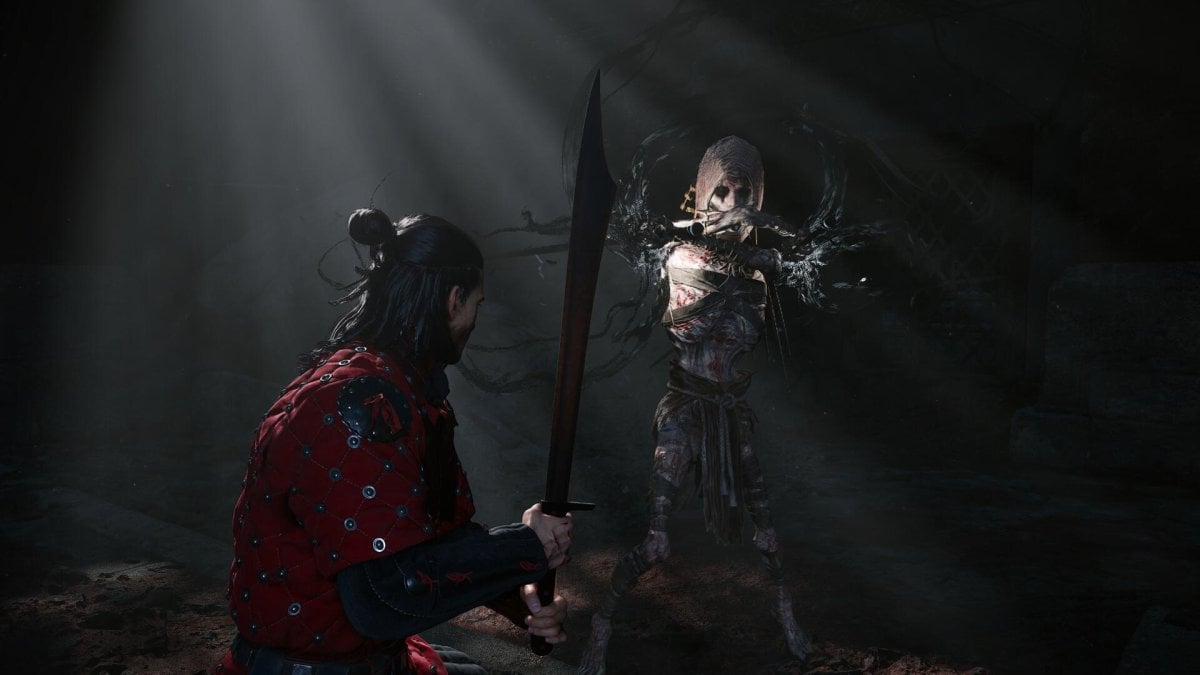
How weapon stats work in The Blood of Dawnwalker
Coen fights with 186 weapons in The Blood of Dawnwalker, split into 63 shortswords, 61 greatswords, 52 longswords and 10 swordlike oddities that do not fit the three main classes. Every one of them scales with its item level, so the same sword found at level 8 and at level 30 is effectively two different weapons.
The stats on each weapon page are calculated with the same curves the game uses. Weapon damage is multiplied by a curve that runs from 1.0 at level 1 to 8.35 at the level 50 cap, and DPS is the average of the damage range multiplied by that curve, the weapon attack speed and a constant of 1.35. Those figures have been checked against in-game tooltips, so the damage range and DPS shown here match what you would see on the item in The Blood of Dawnwalker.
Attack speed decides more than raw damage
Each weapon class carries a fixed attack speed multiplier: shortswords 1.05, longswords 1.0, greatswords 0.93 and swordlike weapons 0.75. Anything above 1.0 is labelled Fast, exactly 1.0 is Medium and anything below is Slow. That multiplier feeds directly into DPS, which is why a shortsword with a lower damage range can still out-damage a greatswords over a long fight.
Speed also feeds the resource economy. Activation charges regenerate over time and recharge faster on successful attacks and blocks, so a fast shortsword builds charges for abilities and arts more quickly. A greatsword gives that up in exchange for the largest single hits in Vale Sangora, which is the better trade against slow, heavily armoured enemies.
Weapon Arts, rarity and proficiency
Many weapons in The Blood of Dawnwalker carry a Weapon Art, a special attack on a cooldown that defaults to 15 seconds and is triggered with block plus light attack. A Weapon Art belongs to the weapon rather than to Coen, so it is only available while that weapon is drawn, and swapping swords swaps the art with it.
Weapons run through seven rarity steps: Junk, Common, Superior, Master, Epic, Legendary and Quest. Rarity is not just a colour. Equipping a weapon whose rarity Coen is not yet proficient with applies a proficiency penalty that lowers its stats by a percentage, so a freshly looted Epic sword can be worse than the Superior one already in hand until the matching perk is learned.
Finding and upgrading weapons
Every weapon page lists where that weapon comes from, whether it drops from a creature, sits in a loot table, is sold by one of the 51 merchants in Vale Sangora or arrives as a quest reward. Quest rewards are linked in both directions, so you can work back from a weapon to the quest that hands it over.
Upgrading a weapon costs denarii on a formula rather than a flat fee. The base cost is multiplied by 1.4 for the weapon slot, then again by rarity, which runs from 3 for Common up to 17 for Epic and 26 for unique gear, and by 1.04 for every item level. Upgrading a low rarity sword early is cheap; upgrading an Epic one at level 40 is a serious investment.